Small-Batch Formulation: Why It Matters
S
StrataSeptember 10, 2026How small batches ensure consistency, freshness, and quality control that mass production cannot match.
Small-Batch Formulation: Why It Matters for Your Skin
Most skincare brands operate on an industrial scale. They manufacture thousands of units at once, store them in warehouses, and ship them months—sometimes years—after production. By the time a bottle reaches your bathroom, its active ingredients have degraded. The formula that was tested in the lab bears little resemblance to what you're actually applying to your face.
At Strata, we take a different approach. Every product is made in small batches. This isn't a marketing gimmick. It's a direct response to a fundamental problem in skincare: the gap between formulation and efficacy.
Fresher Actives, Real Results
Active ingredients—retinol, niacinamide, peptides, vitamin C—lose potency over time. Oxidation, temperature fluctuations, and light exposure all degrade them. A retinol serum sitting in a warehouse for eight months is significantly weaker than one made two weeks ago.
Small-batch production means your product is fresher when it arrives. We manufacture in smaller quantities, which reduces storage time and exposure to environmental stressors. This directly translates to better results. You're not paying for a formula on paper; you're getting the formula as it was designed.
Tighter Quality Control
When you're producing 50,000 units in a single run, quality assurance becomes a numbers game. A few defective batches slip through because they're statistically insignificant at scale.
Small-batch production inverts this logic. Every batch is smaller, which means:
- Every formulation is tested before and after production
- Ingredient sourcing is verified for each batch, not assumed
- pH, viscosity, and stability are manually checked
- Contamination risks are dramatically lower
We can afford to be meticulous because we're not optimizing for volume. We're optimizing for consistency and safety.
Real Feedback, Real Adjustments
Skincare marketing often treats feedback as a liability. Negative reviews are buried; ingredient concerns are ignored. Large manufacturers can't afford to reformulate—they've already committed to millions of units.
Small-batch production gives us flexibility. When customers report concerns or we identify opportunities to improve efficacy, we can adjust the formula for the next batch. We've refined our formulations multiple times based on real-world feedback, not just lab data.
This doesn't mean we chase every complaint. It means we listen, investigate, and only change what's backed by evidence. The result is formulas that improve over time rather than stagnate.
Reduced Waste, Responsible Sourcing
Industrial skincare creates waste at every stage: overproduction, expired inventory, packaging excess. Small-batch manufacturing is inherently more efficient. We produce what we need. Ingredients are ordered in quantities that match demand. Packaging is minimized.
This also means we can be more selective about sourcing. We work with ingredient suppliers we know and verify. We're not locked into long-term contracts that force us to use whatever is cheapest. Quality sourcing is economically feasible at our scale.
Transparency You Can Actually Verify
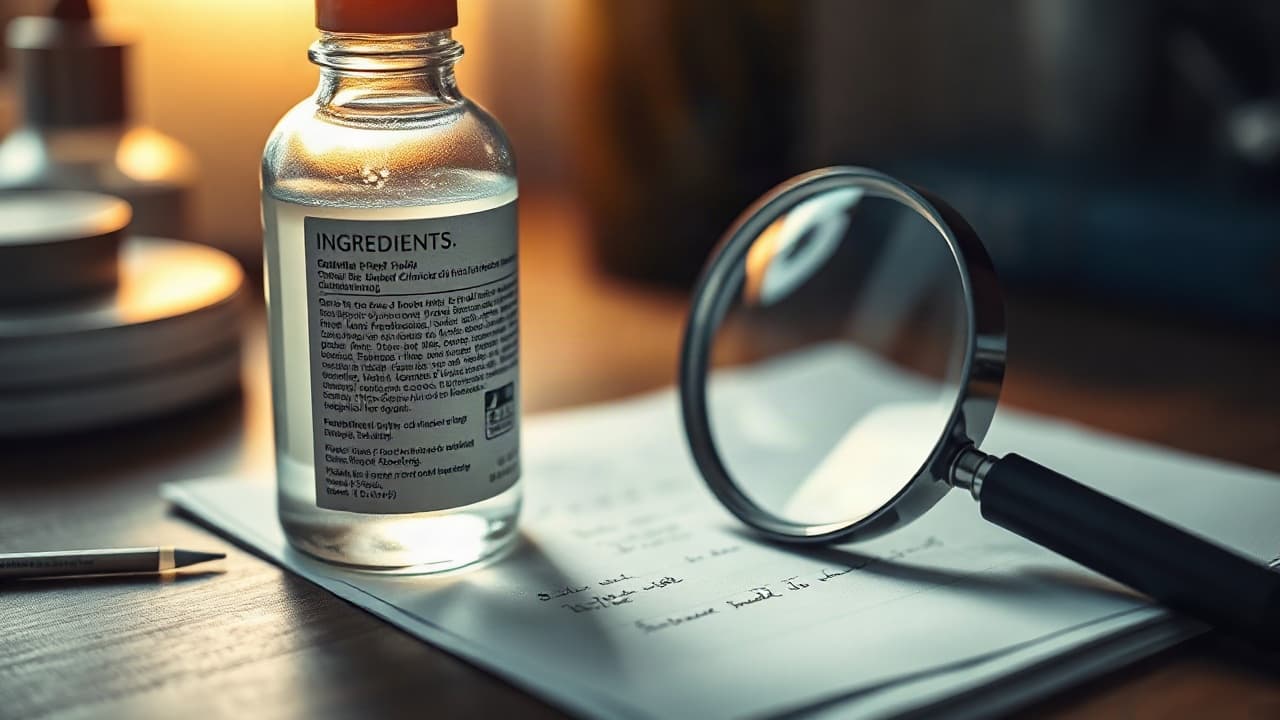
When we publish an ingredient list with detailed rationale—why we use a particular form of retinol, why we chose this peptide complex, what concentration it's at—that information is meaningful. We're not hiding behind batch variations or ingredient substitutions.
Small-batch production makes this commitment real. Each batch is traceable. Each ingredient is documented. You're not buying a promise; you're buying a product we can stand behind with specificity.
Skincare doesn't need to be complicated or wasteful. It needs to work. Small-batch formulation is how we ensure that every bottle you receive contains the formula we designed, at full potency, backed by our attention to detail.